Radon Testing in Upstate SC: What Buyers Need to Know
Gary & Lori Barnett
Local Real Estate Experts, Upstate SC
Most homebuyers in Greenville and Spartanburg have heard the word "radon" but aren't quite sure what it means or why it matters. Here's the truth: Upstate South Carolina consistently ranks among the highest radon-concentration zones in the state, and every buyer purchasing a home here should test for it — no exceptions.
Why This Matters in Upstate SC
According to the EPA and city-data.com, Greenville, Spartanburg, and surrounding Upstate counties fall in Zone 1 and Zone 2 radon areas — the highest risk classifications. This is directly tied to the region's granite-rich geology and the natural breakdown of uranium in the soil beneath our homes.
What Is Radon?
Radon is a naturally occurring radioactive gas produced by the decay of uranium in soil and rock. It's colorless, odorless, and tasteless — you cannot detect it without a test. It seeps up through the ground and enters homes through foundation cracks, crawl spaces, floor drains, and gaps in construction joints.
Once inside a home, radon can accumulate to dangerous levels. The EPA action level is 4 pCi/L (picocuries per liter). At that level or above, mitigation is strongly recommended. Radon is the second leading cause of lung cancer in the United States, responsible for approximately 21,000 deaths annually according to the CDC.
How Is Radon Testing Done?
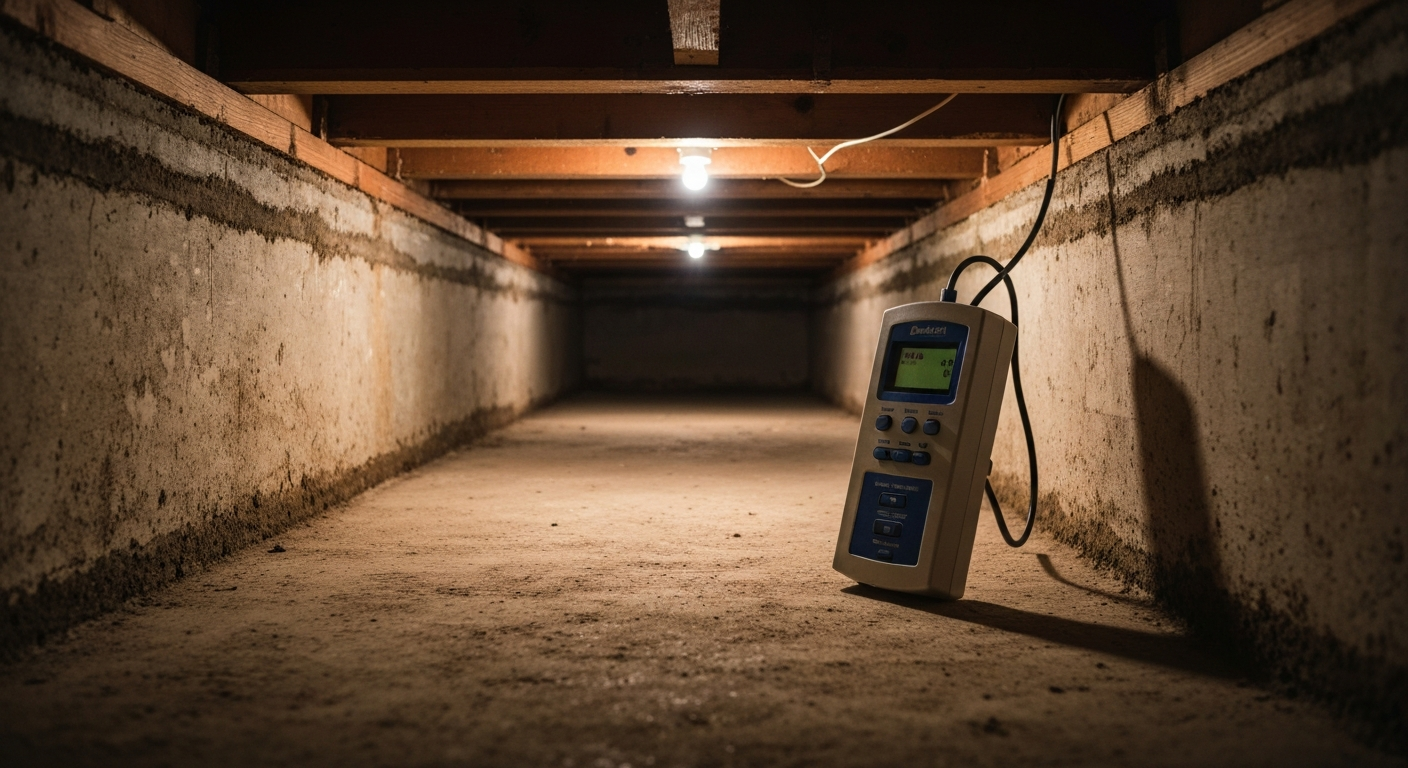
Radon testing during a home purchase is simple and non-invasive. A certified inspector places a continuous electronic radon monitor (or passive charcoal canister) in the lowest livable level of the home for a minimum of 48 hours. The device records radon levels and produces a report showing the average concentration over the test period.
Below 2 pCi/L
Low risk. No action required.
2–4 pCi/L
Moderate. Consider mitigation.
4+ pCi/L
EPA action level. Mitigate.
What If Radon Levels Are High?
Don't panic — radon mitigation is a well-established, highly effective solution. A licensed mitigation contractor installs a sub-slab depressurization system (a pipe and fan system that draws radon from beneath the foundation and vents it safely outside). In most Upstate SC homes, this system can reduce radon levels by 80–99%.
Cost to mitigate in South Carolina typically ranges from $800 to $1,800 depending on foundation type, home size, and soil conditions. This is absolutely a negotiable item on your purchase contract — we frequently negotiate for sellers to cover the cost of mitigation or credit buyers at closing.
Radon in New Construction vs. Older Homes
A common misconception is that new construction homes don't have radon problems. That's simply not true. Radon comes from the soil, not the age of the structure. Many new construction communities in Greenville and Spartanburg counties sit on the same geology as older neighborhoods. Always test — even in a brand new home.
Some builders in the Upstate are beginning to include radon-resistant construction features (a passive pipe system roughed in during construction) in their new homes. If your builder hasn't done this, ask about it — it's far less expensive to install during construction than after.
Done Right Home Inspections, LLC — INAC Radon Certified
For radon testing in the Upstate, we refer our clients to Done Right Home Inspections. They hold an INAC (Inspector Nation Advanced Certifications) Radon Certification and are fully equipped to conduct professional continuous radon monitoring during your inspection period.
What makes Done Right exceptional is their thoroughness. They don't just drop a canister and leave — they use electronic monitoring devices, document findings meticulously, and take the time to explain results to buyers. They also offer general home inspections, CL100, mold, and thermal imaging — making them a true one-stop inspection partner for Upstate SC buyers.
Their motto is "Never settle for less" — and in our experience working with them, they mean it.
Buying a Home in the Upstate? We've Got You Covered.
We'll connect you with trusted inspectors, help you navigate results, and negotiate any findings on your behalf. Book a free consultation today.